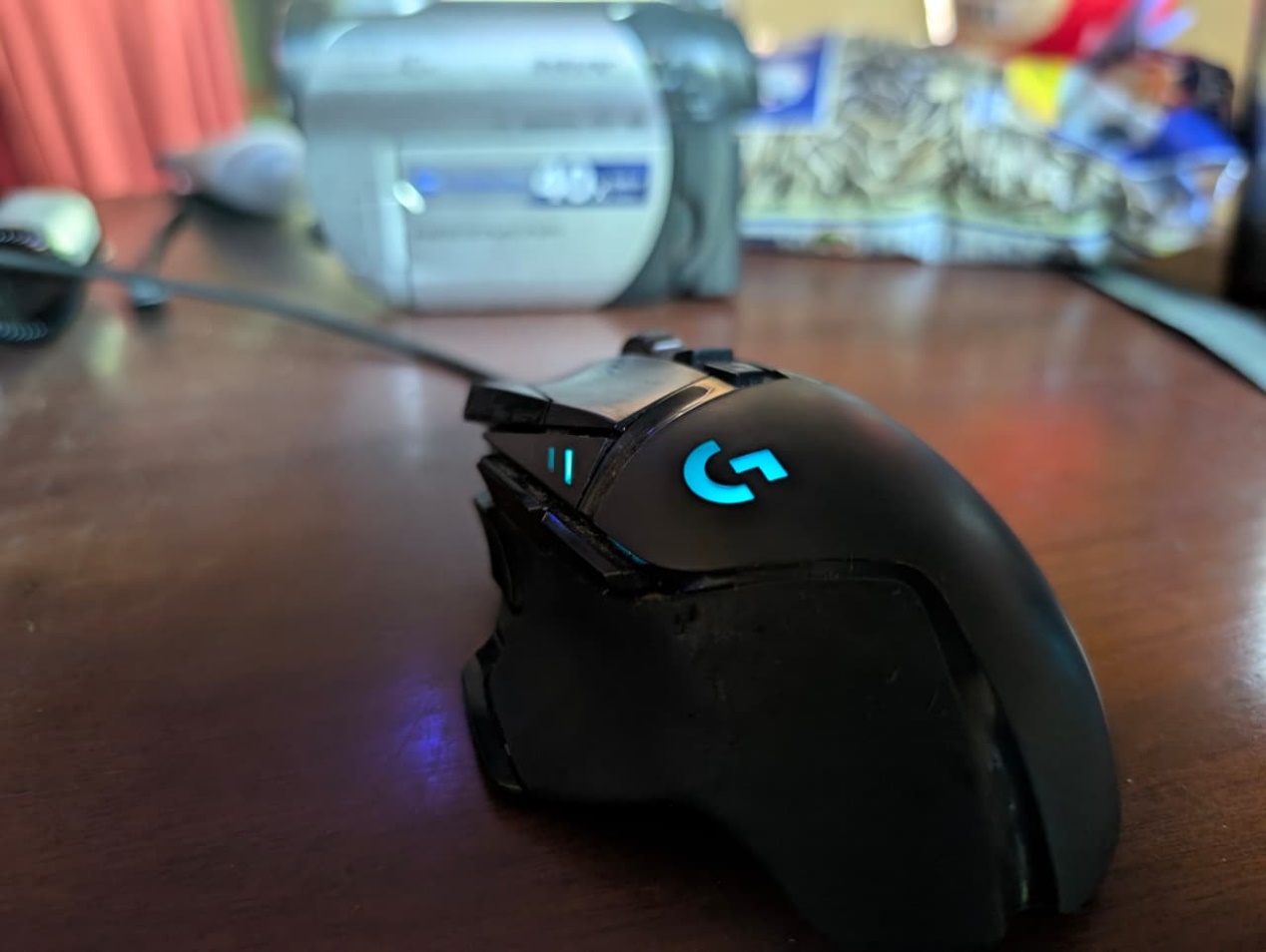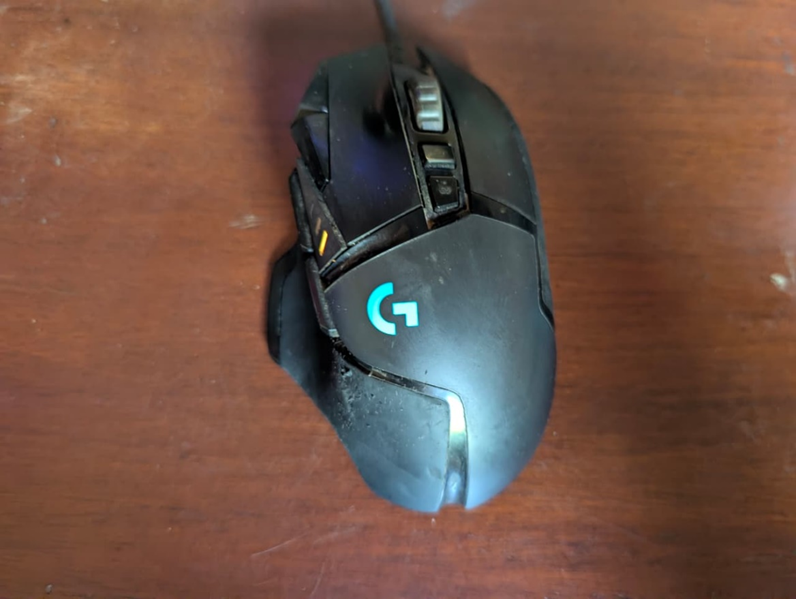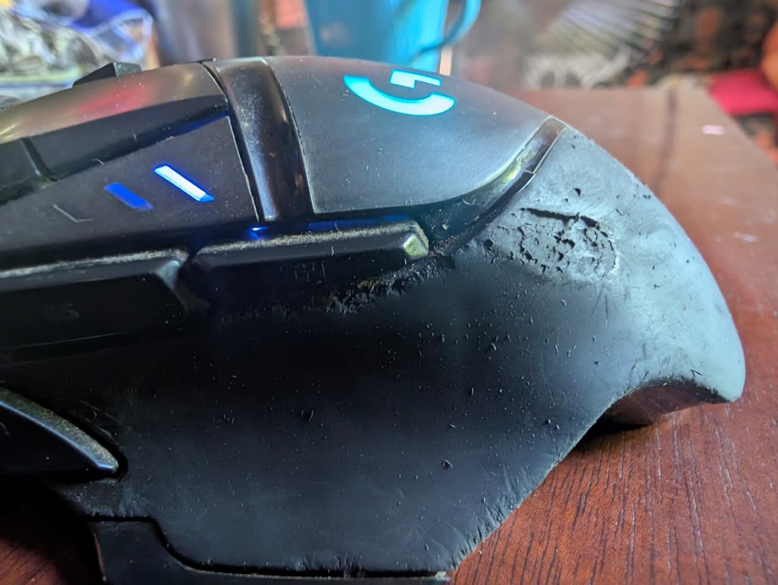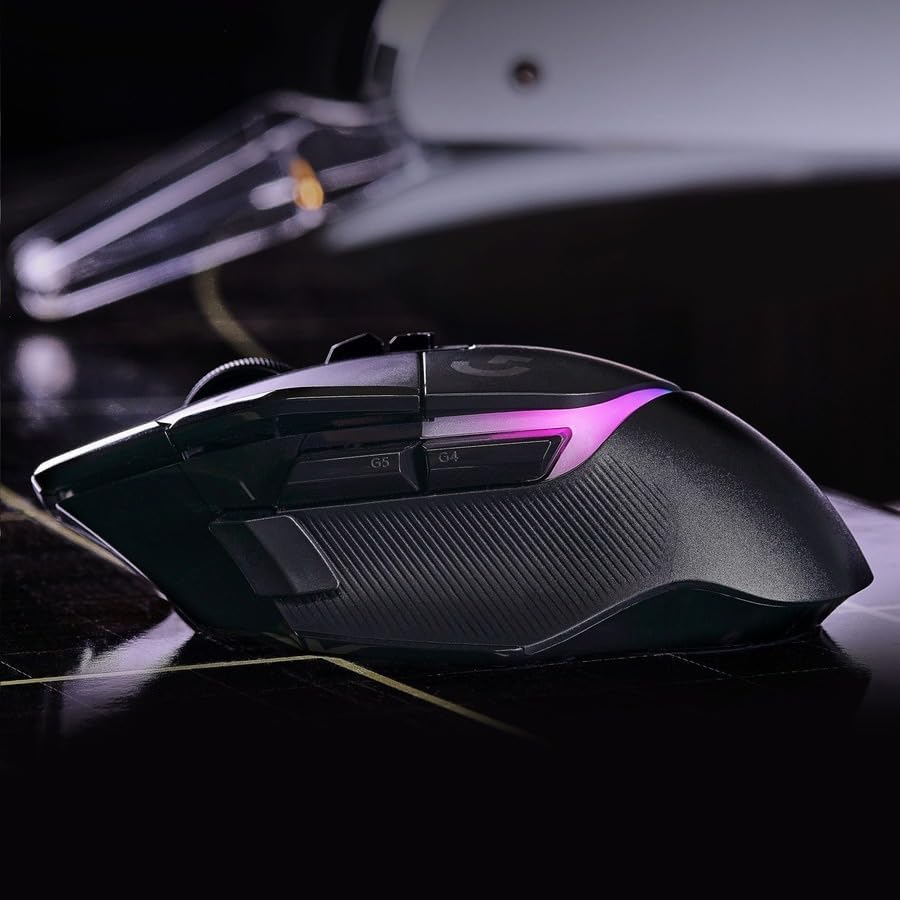
The Logitech G502 X Plus is a high-end mouse, not just any mouse. In fact, it’s one of the most expensive gaming mice you can buy in 2026. So if you’ve been looking at it, you’ve probably asked yourself: “what makes it special?” or maybe “is it really worth paying that much for a gaming mouse?”
Those are exactly the questions I’ll help you answer. After all, every experience is different and opinions vary from player to player. My goal here is to give you the technical details so you can decide if it’s truly worth upgrading to one of the highest-rated mice out there.
What makes this mouse special?
Honestly, you shouldn’t expect huge improvements over classics like the Logitech G502 Hero. However, one feature really stands out: the LIGHTFORCE switches, which are essentially a hybrid between optical and mechanical switches. This makes clicks faster, helps prevent double-click issues, and slightly improves durability.
That said, don’t expect anything groundbreaking, since Logitech mice are already very good across all price ranges.
Is the Logitech G502 X Plus wireless?
Yes, and this is another strong point. It has such low latency that it feels almost identical to using a wired mouse.
To put it into perspective, latency in wireless peripherals is measured in milliseconds. One millisecond equals 0.001 seconds.
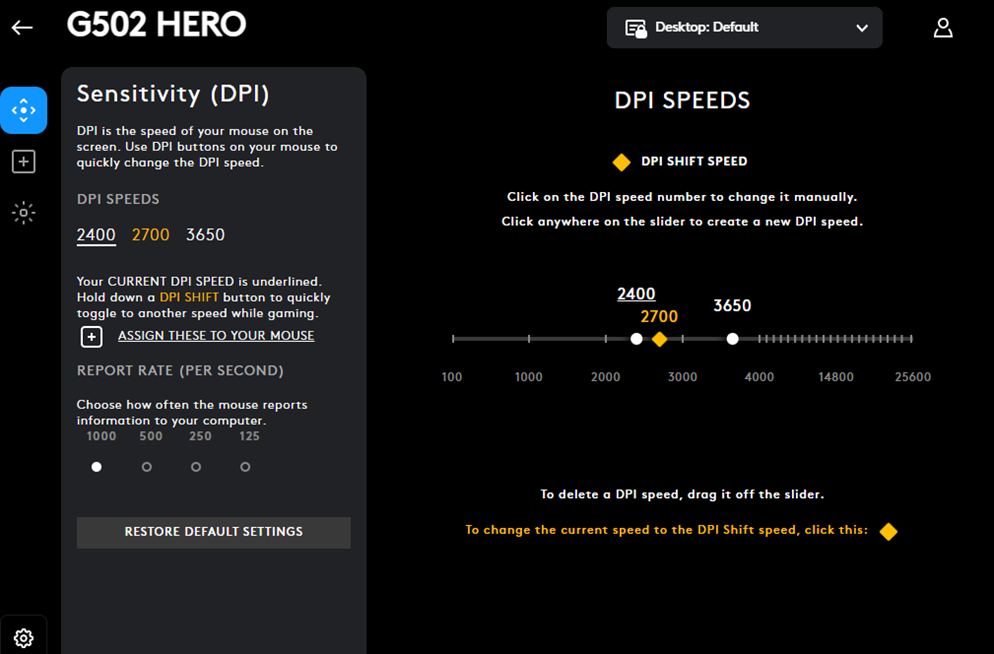
The Logitech G502 Hero, a wired mouse, has about 2.2 ms of latency, while the wireless G502 X Plus sits around 2.7 ms. That difference is practically unnoticeable.
Does wireless mean higher latency?
Wireless devices are often associated with slower connections, but most people think of Bluetooth, which works very differently from Logitech’s LIGHTSPEED adapter.
The LIGHTSPEED adapter connects via USB-A and is designed for a dedicated, high-speed connection, unlike standard Bluetooth.
Battery life
Battery life varies depending on usage. Since it’s a gaming mouse, most people use it with RGB lighting turned on.
According to Logitech, the G502 X Plus can last up to 130 hours on a single charge with RGB turned off.
With RGB on, battery life drops to around 37 hours, which is still several days of use without needing to recharge.
It also charges fairly quickly using the included USB-C cable, reaching a full charge in about 2 hours.
Is it worth upgrading to the Logitech G502 X Plus?
If you ask me, not really, especially if your current mouse still works fine. This is an expensive mouse that only makes sense if you’re really into the latest tech or if your current mouse is already a few years old.
In those cases, it can be worth upgrading, since the small improvements do add up over time.